
Understanding the Paint Correction Process: Restore Your Car's Finish


Car enthusiasts and everyday drivers alike want their vehicles to look their best. Over time, however, your car's finish can suffer from various imperfections like scratches, swirls, and oxidation. These blemishes can detract from your vehicle’s appearance, but there's a solution: paint correction. Understanding this process can help you restore your car's finish to its former glory.
What is Paint Correction?
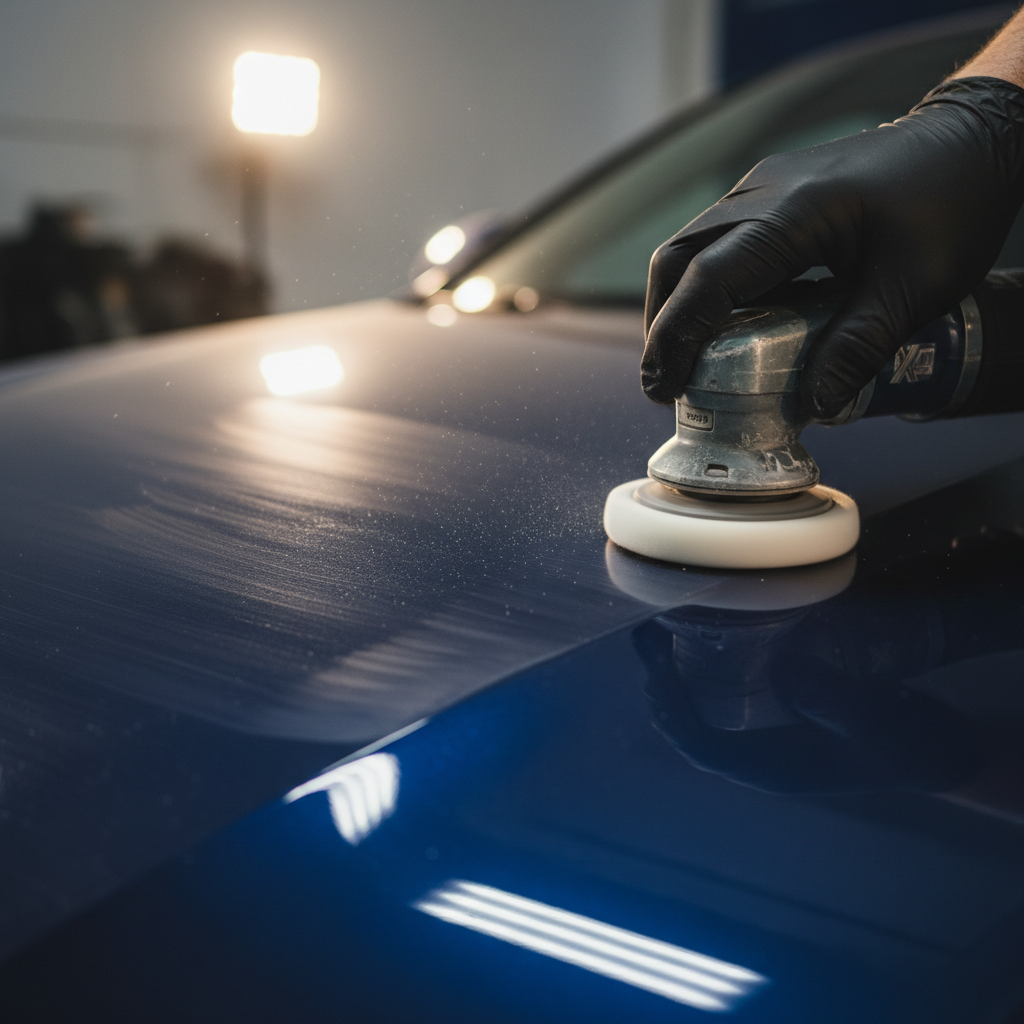
Paint correction is a meticulous process involving the removal of imperfections from a car's paintwork. This is achieved through mechanical polishing, which removes a thin layer of the clear coat to level the paint surface. The result is a smooth, shiny finish that reflects light beautifully.
Common Paint Imperfections
Before diving into the paint correction process, it’s essential to know the types of imperfections you might encounter:
- Swirl Marks: Fine scratches often caused by improper washing techniques.
- Scratches: Deeper marks that can penetrate the clear coat.
- Oxidation: A chalky appearance caused by exposure to the elements.
The Paint Correction Process
The paint correction process can be broken down into several key steps. Each step is crucial in ensuring the best possible results:
1. Washing and Decontamination
A thorough wash is the first step. This involves removing dirt, grime, and other contaminants from the vehicle's surface. Clay bars or chemical decontaminants are often used to ensure a clean slate.
2. Assessing Paint Depth
Using a paint depth gauge, professionals measure the thickness of the paint. This ensures that the correction process is safe and doesn't remove too much of the clear coat, which could damage the paint.

3. Polishing and Buffing
Polishing is where the magic happens. Different grades of polish and cutting pads are used to remove imperfections. This step requires skill and precision to avoid further damage to the paint.
Benefits of Paint Correction
Paint correction offers several benefits beyond just aesthetics:
- Enhanced Appearance: Restores the car's original shine and luster.
- Increased Resale Value: A well-maintained finish can significantly boost your vehicle's market value.
- Protection: A corrected and polished surface is better protected against future damage.
Maintaining the Corrected Finish
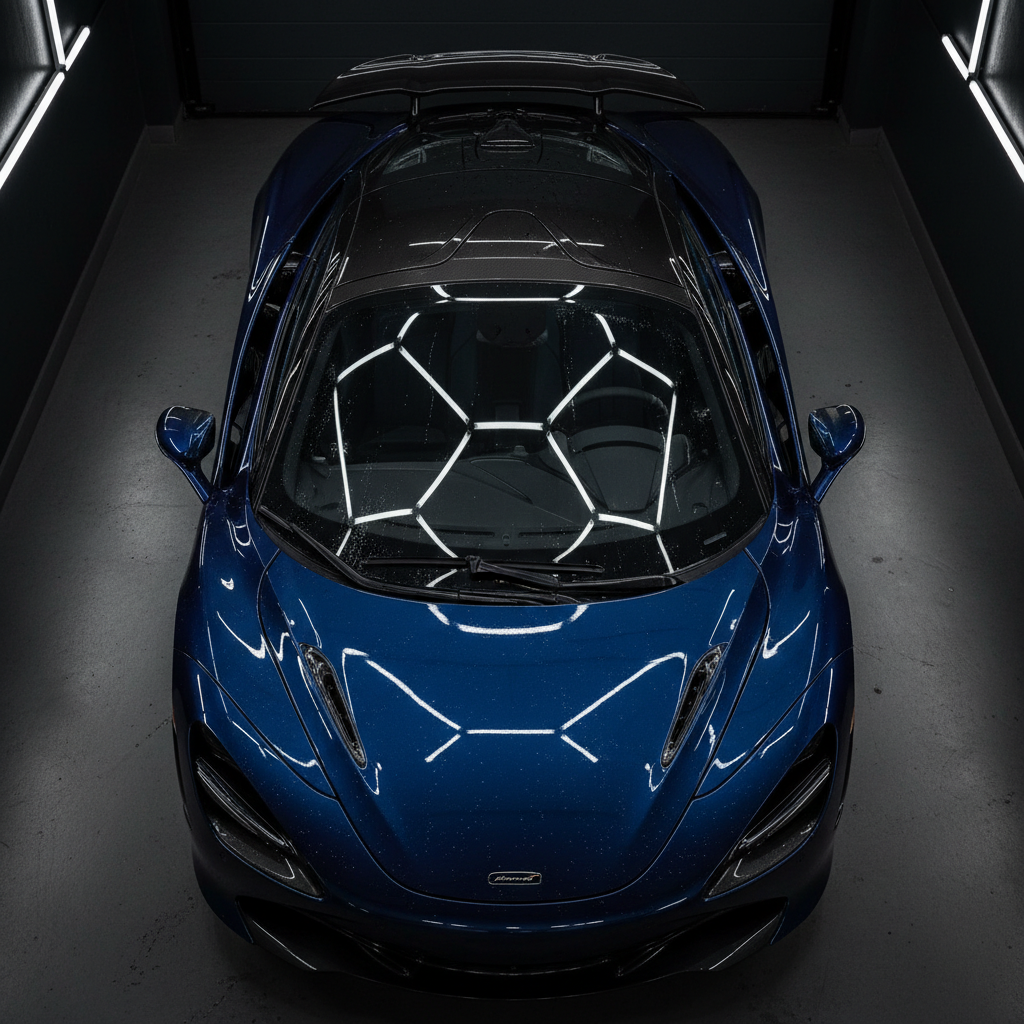
Once your car's paint has been corrected, it's essential to maintain it. Regular washing, waxing, and using proper cleaning techniques can help preserve the finish. Consider applying a ceramic coating for added protection and longevity.
Understanding the paint correction process can empower you to make informed decisions about your vehicle's care. Whether you choose to tackle it yourself or hire a professional, the results are undoubtedly rewarding—a car that looks as good as new.