
Understanding Paint Correction: When and Why Your Car Needs It


What is Paint Correction?
Paint correction is a meticulous process of removing imperfections from a vehicle's paintwork. These imperfections may include swirl marks, fine scratches, oxidation, and other blemishes that accumulate over time. The goal is to restore the paint to its original, flawless condition by leveling the surface.
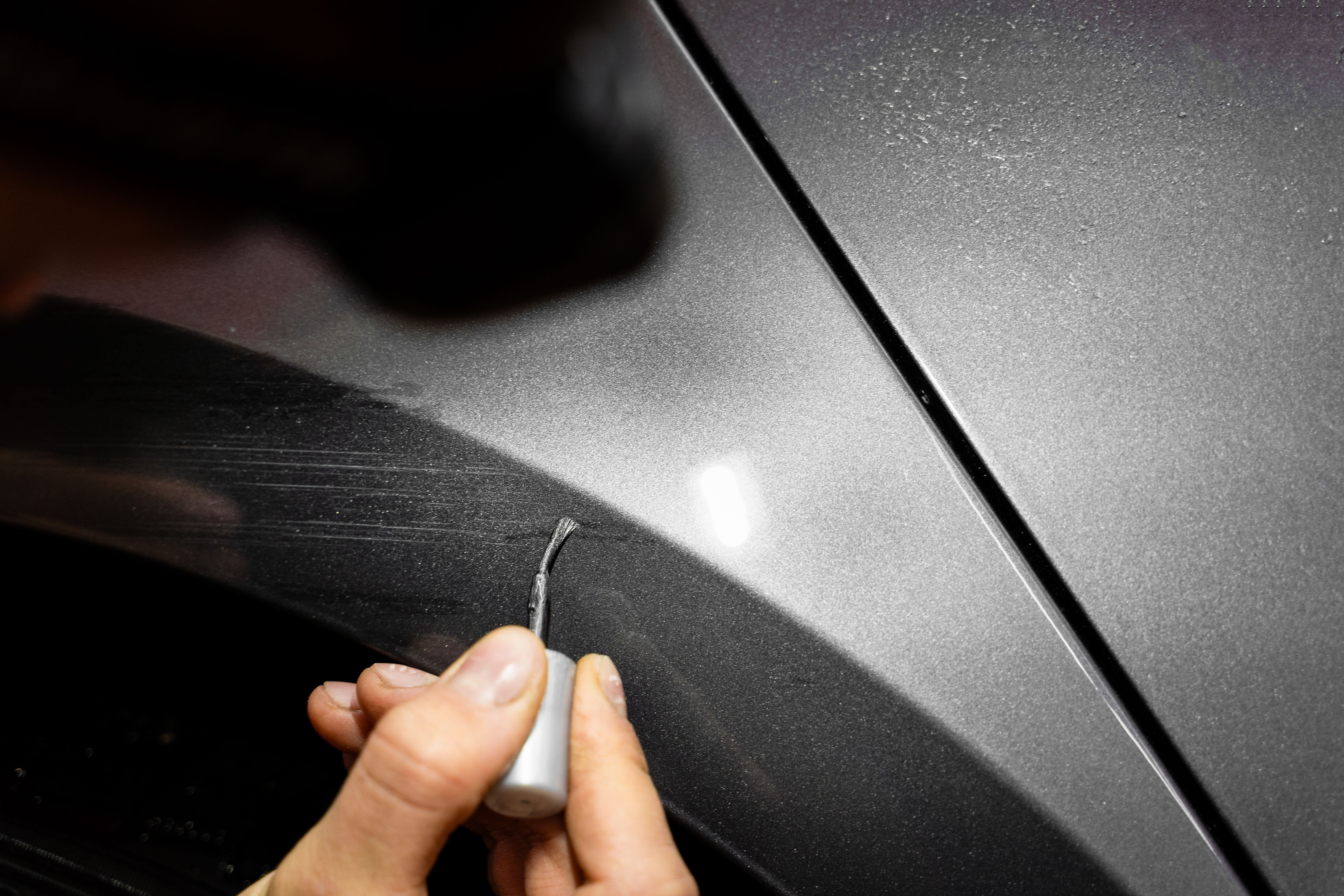
This process involves using specialized machines and products to polish the paint. It's important to understand that paint correction doesn't add anything to the paint; instead, it removes a microscopic layer of the clear coat to eliminate defects.
Signs That Your Car Needs Paint Correction
Not every vehicle will require paint correction, but there are clear signs that indicate it might be necessary. One common sign is the presence of swirl marks, which can appear as circular scratches on the surface. These are often caused by improper washing techniques.
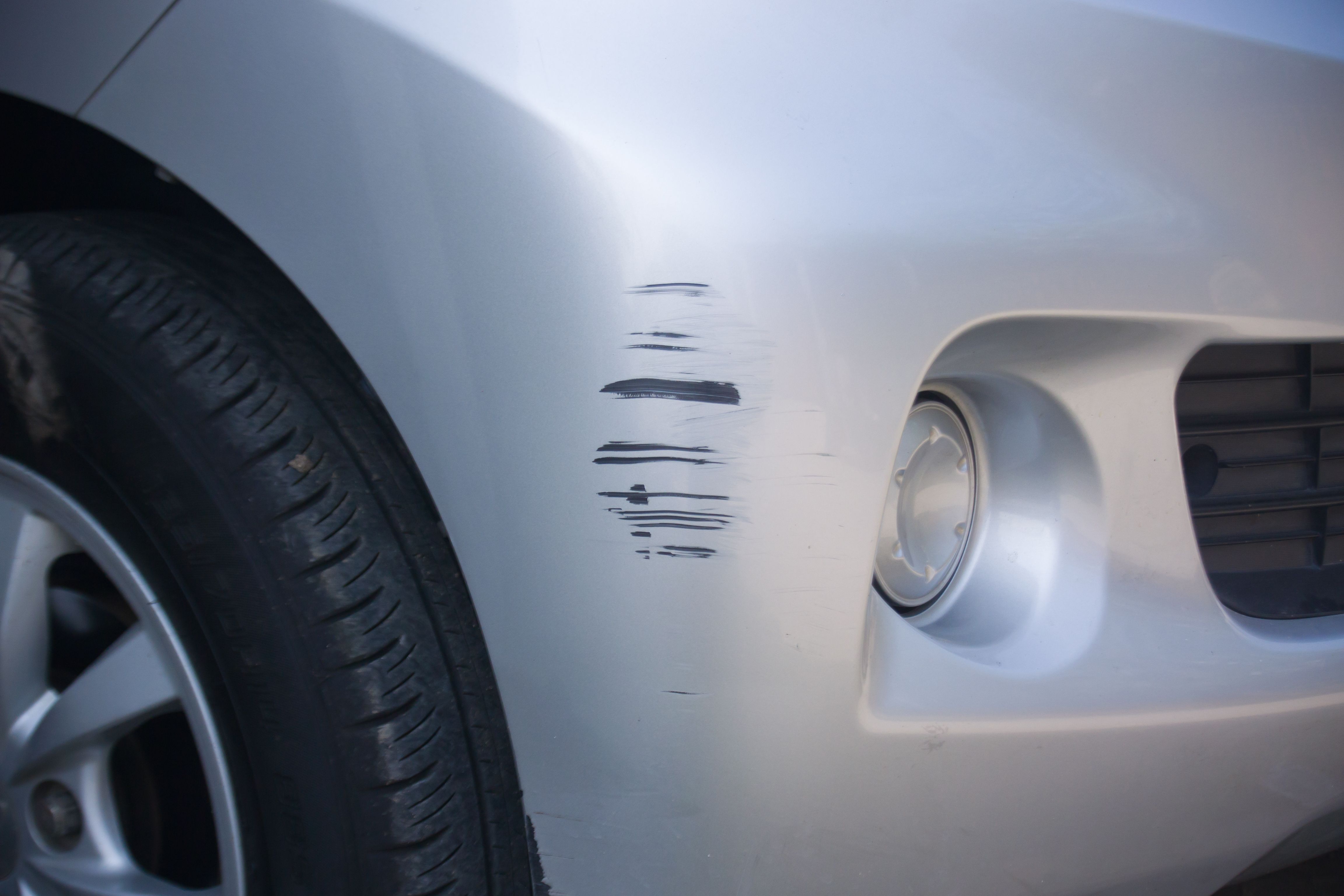
Other indicators include noticeable scratches, fading, and water spots that don't disappear with regular washing. If your vehicle's paint looks dull and lacks the vibrant shine it once had, paint correction might be the solution.
When to Consider Paint Correction
There are several scenarios where paint correction is highly recommended:
- Before Ceramic Coating: Paint correction ensures the surface is perfect before applying a protective ceramic coating.
- Before Selling: A flawless paint job can significantly increase your car’s resale value.
- Post-Purchase: Even new cars can benefit if they’ve been on display or stored improperly.
The Process of Paint Correction
Paint correction typically involves multiple stages, each using different grades of polish and pads. The process starts with washing and decontaminating the vehicle to remove any surface dirt and debris. This is followed by a careful inspection to identify the areas that need attention.
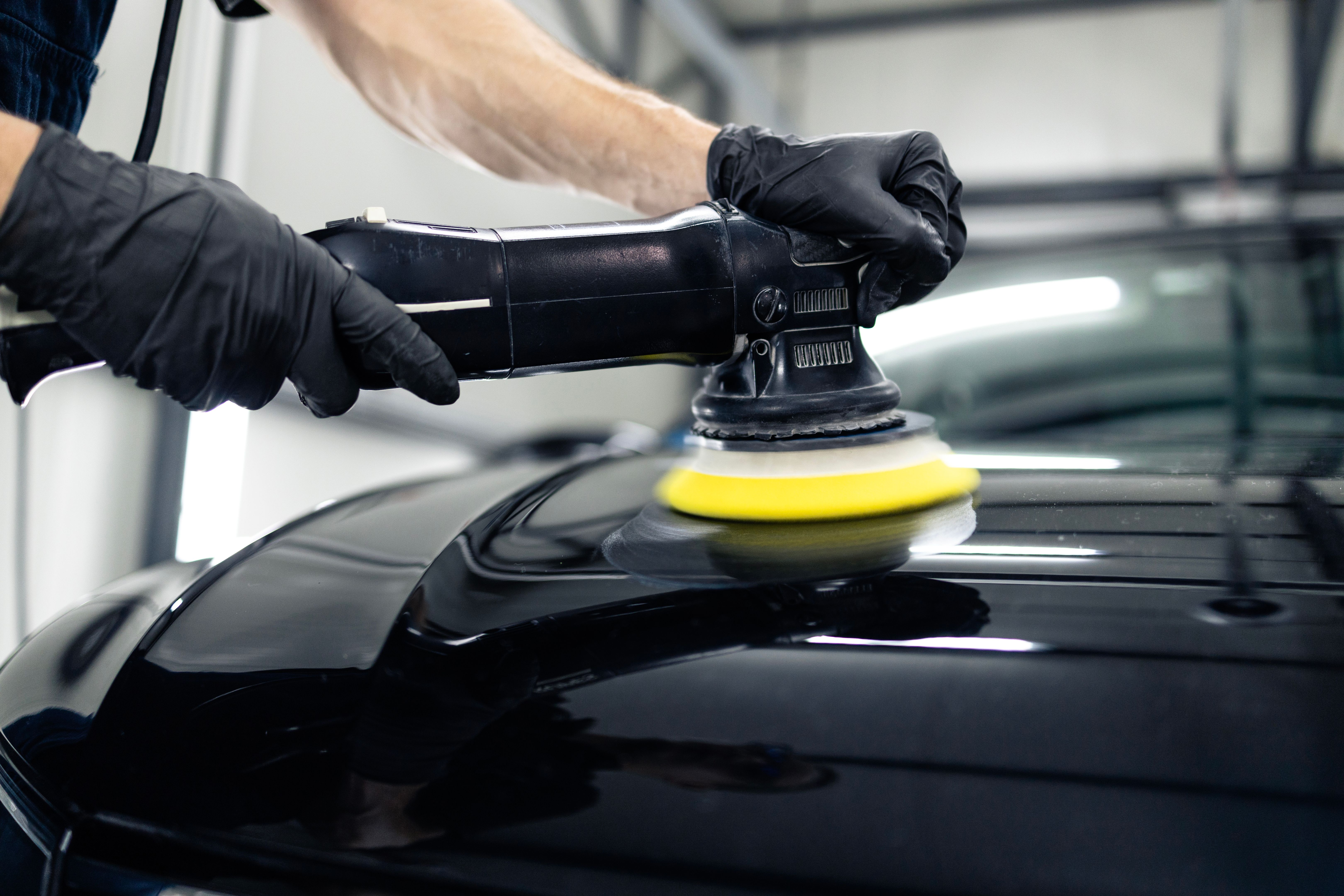
The actual correction process involves using a machine polisher with varying levels of abrasive compounds. The detailer will work methodically across the vehicle to ensure an even finish. This is a time-consuming process that can take several hours or even days, depending on the severity of the damage.
Choosing the Right Professional
Given the complexity and skill required for proper paint correction, it’s advisable to hire a professional detailer. Look for someone with experience and a good reputation. Don’t hesitate to ask for references or to see a portfolio of their previous work.
Make sure they use high-quality products and have a comprehensive understanding of different paint types and finishes. A skilled professional will be able to assess your vehicle and recommend the best approach for optimal results.
Maintaining Your Car After Paint Correction
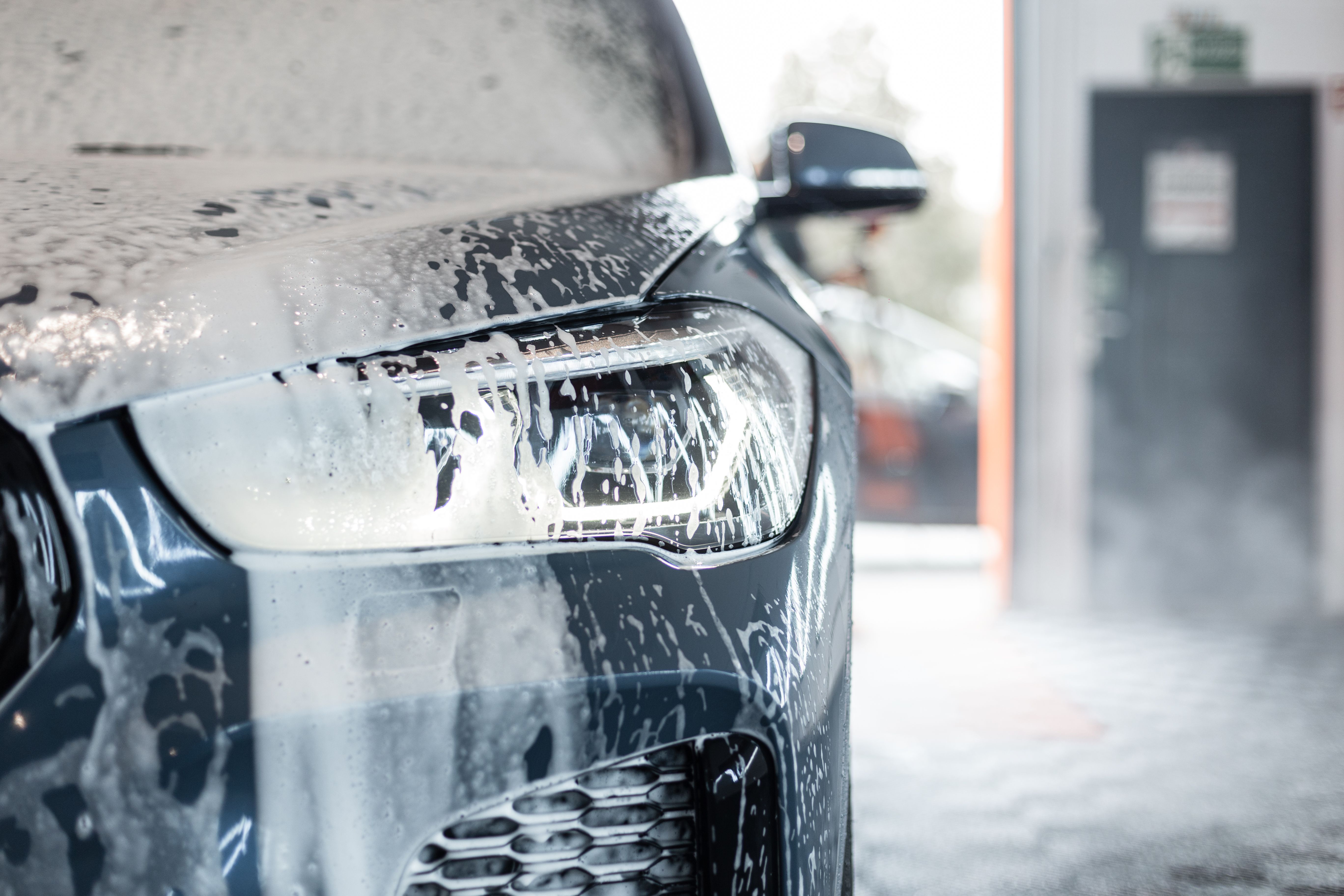
Once your car has undergone paint correction, maintaining that pristine finish is crucial. Regular washing using the two-bucket method can help prevent new scratches and swirl marks. Invest in high-quality cleaning products designed for automotive use.
Consider applying a protective layer, such as a wax or ceramic coating, to shield the paint from environmental damage. Routine maintenance will ensure that your vehicle remains in top condition for years to come.