
How to Prepare Your Car for Winter in New Jersey


Check Your Tires
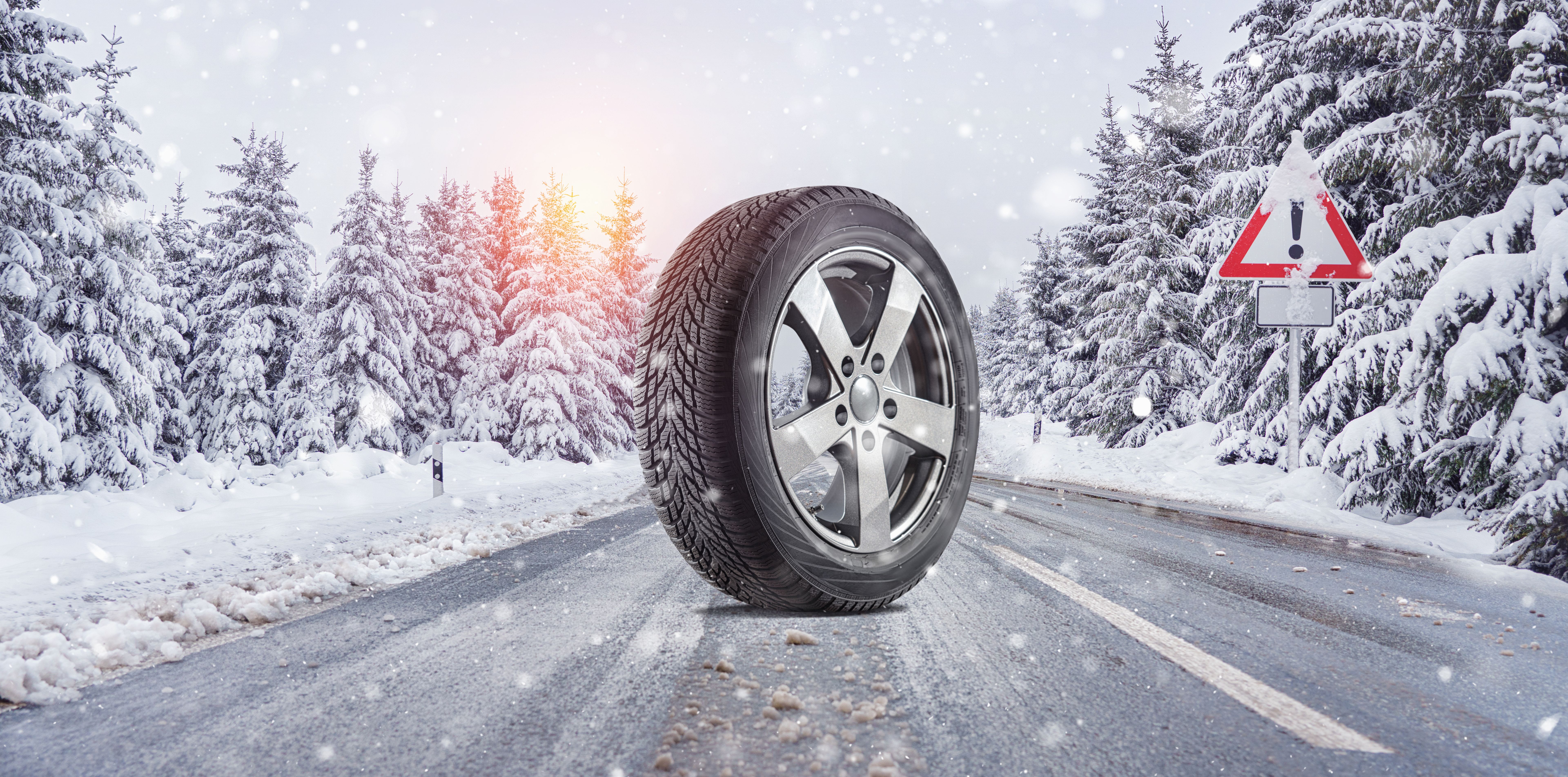
As winter approaches, it's crucial to ensure your tires are in optimal condition. In New Jersey, where winter weather can be unpredictable, having the right tires is essential. Consider switching to winter tires, which offer better traction in snow and ice compared to all-season tires. Additionally, regularly check the tire pressure, as cold temperatures can cause it to drop.
Test Your Battery
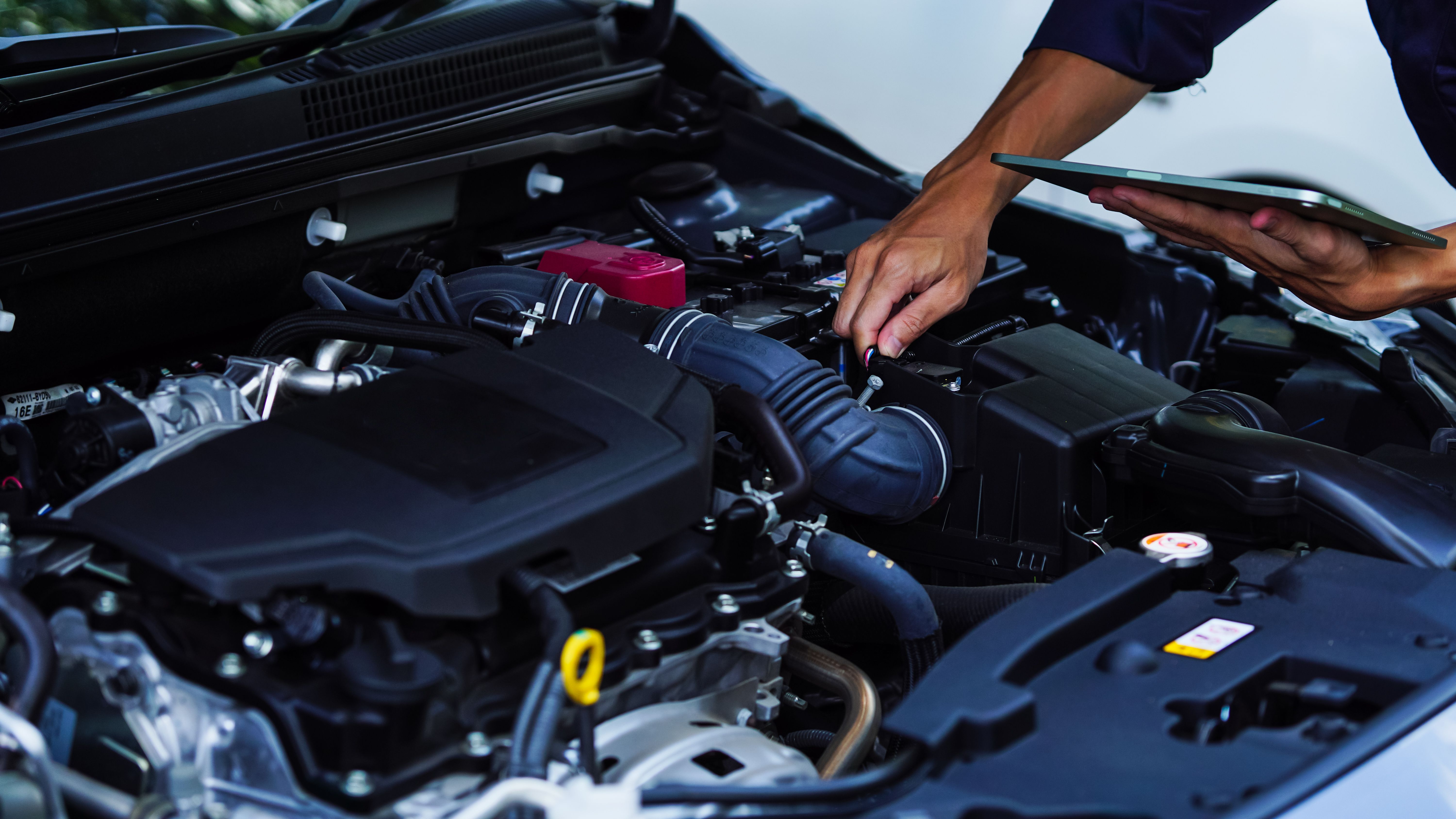
Cold weather can significantly impact your car's battery performance. Before winter sets in, have your battery tested to ensure it can hold a charge. If your battery is more than three years old, consider replacing it to avoid unexpected breakdowns. Keeping the battery terminals clean and free of corrosion is also important for maintaining a strong electrical connection.
Inspect Your Antifreeze
Antifreeze, or coolant, plays a vital role in preventing your engine from freezing in cold temperatures. Check the antifreeze levels and top off if necessary. It's also wise to ensure the mixture of antifreeze and water is appropriate for winter conditions, typically a 50/50 mix.
Examine Your Wiper Blades and Fluid
Visibility is key during winter driving, so ensuring your wiper blades are in good condition is essential. Replace them if they are worn or leave streaks on the windshield. Additionally, use a winter-grade windshield washer fluid that won't freeze and can effectively remove ice and grime.
Prepare an Emergency Kit
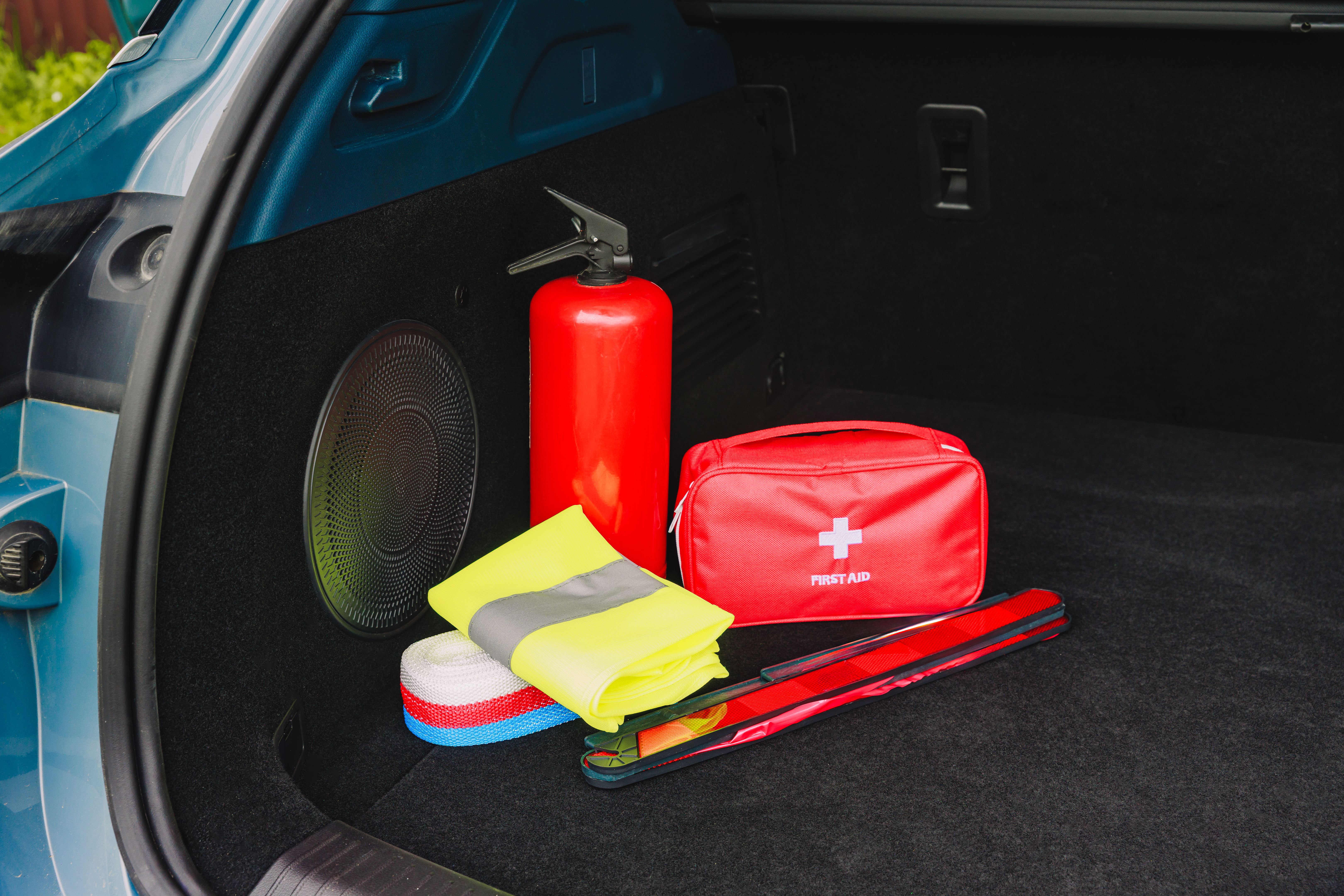
Being prepared for emergencies is crucial, especially during winter. Assemble an emergency kit to keep in your car that includes items like:
- Blankets and warm clothing
- Non-perishable food and water
- Flashlight and extra batteries
- First aid kit
- Snow shovel and ice scraper
- Jumper cables
Check Your Heating System
A functioning heating system is vital for comfort and safety during winter. Before the cold weather hits, test your car's heater and defroster to ensure they are working properly. If you notice any issues, have them repaired promptly to avoid discomfort during your drives.
Maintain Your Gas Tank
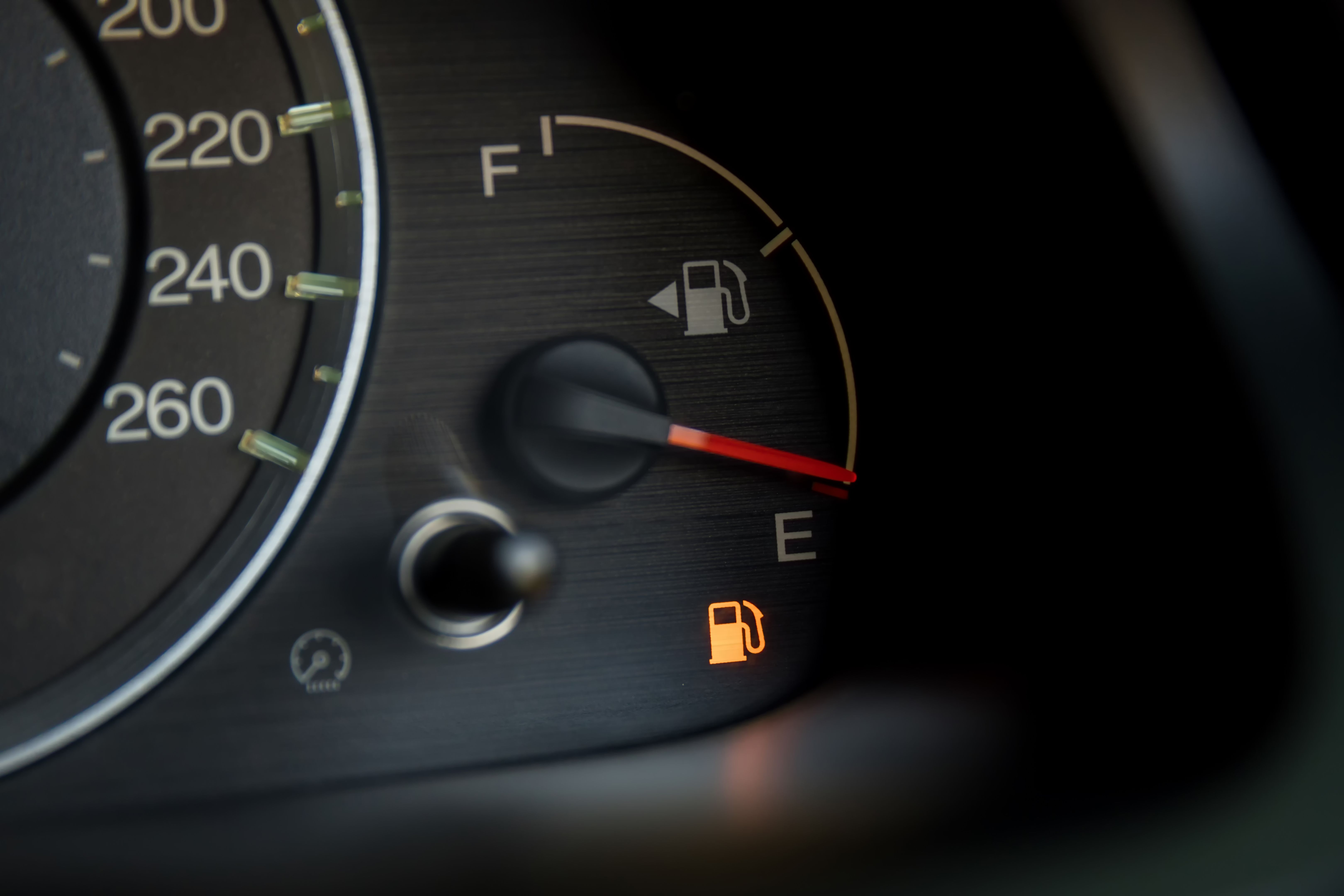
Keeping your gas tank at least half full during the winter months is a smart practice. This can prevent the fuel lines from freezing and ensures you have enough fuel to reach safety in case of severe weather or traffic delays. Additionally, it provides added weight to your vehicle, which can improve traction.
Inspect Your Brakes
Brakes are critical for safe winter driving. Have them inspected by a professional to ensure they are functioning correctly and replace any worn components. Good brakes are essential for navigating icy roads and making sure you can stop safely in adverse conditions.